Why Shift Work Makes Sleep Harder
Human biology is hardwired to follow the sun. Our circadian rhythm uses daylight to trigger wakefulness and darkness to trigger melatonin production for sleep. Shift workers must actively fight thousands of years of evolutionary programming. Trying to sleep when the sun is shining and the world is noisy, and trying to stay alert when biology is demanding rest, requires deliberate strategies and environmental control.
Creating Consistency Where You Can
If you work a fixed night shift, the goal is to create a new "normal." This means keeping your sleep schedule the same even on your days off. Shifting back to a daytime schedule on weekends puts you in a constant state of severe jet lag. Try to find a block of 7 to 9 hours for sleep and guard it fiercely. Inform family and friends of your "nighttime" hours so they do not disturb you.
Managing Light Exposure
Light is the strongest signal your brain uses to determine if it should be awake or asleep. For a night shift worker, the drive home in the morning sun can reset the circadian clock and destroy sleep quality.
- On the commute home: Wear dark sunglasses to minimize sunlight exposure, signaling to your brain that "night" is beginning.
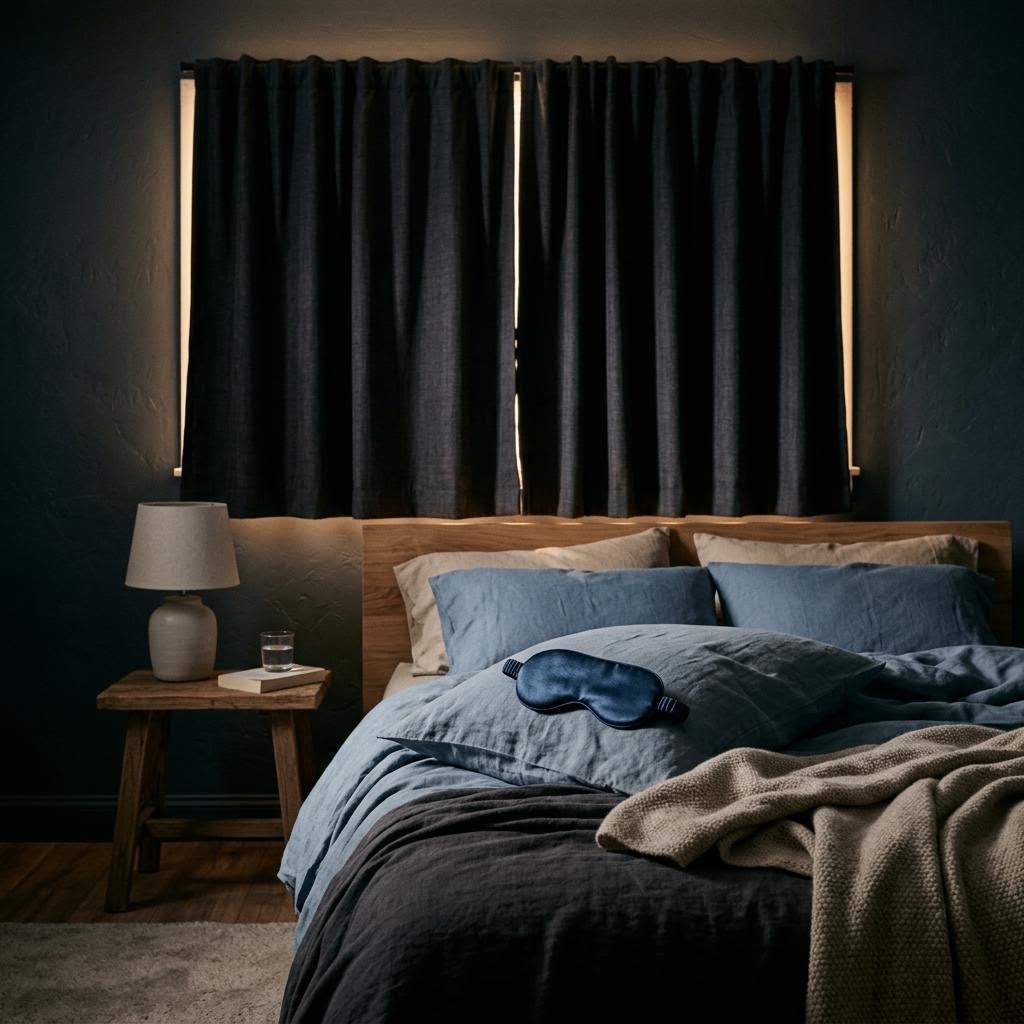
- In the bedroom: Invest in high-quality blackout curtains or a sleep mask. The room should be pitch black.
- Waking up: Turn on bright lights immediately upon waking to signal the start of your "day."
Napping Strategically for Shift Workers
Naps are a vital survival tool for shift work. A "prophylactic nap" of 90 minutes taken right before the start of a night shift can provide a bank of deep sleep that helps sustain alertness through the difficult early morning hours (typically between 3 AM and 5 AM). During meal breaks, a 20-minute power nap can also provide a crucial burst of energy.
Common Mistakes Shift Workers Make
Avoid these common pitfalls that sabotage daytime sleep:
- Running errands before sleeping: Trying to get chores done right after a night shift delays sleep onset and exposes you to bright sunlight. Go straight home and go to bed.
- Drinking coffee late in the shift: Stop consuming caffeine at least 6 hours before you plan to go to sleep.
- Ignoring noise: Daytime is noisy. White noise machines, fans, or earplugs are not optional luxuries; they are necessities for blocking out lawnmowers and traffic.
Quick Checklist
- Wear sunglasses on your morning commute home.
- Make your bedroom 100% dark with blackout curtains or a mask.
- Use white noise or earplugs to mask daytime activity.
- Take a 90-minute nap before your shift begins if possible.
- Keep your sleep schedule as consistent as possible, even on days off.